Lifestyle

Discover the art of sustainable living with our eco-friendly tips and guides. Embrace a greener lifestyle, reduce your carbon footprint, and make a positive impact on our planet.

Uncover the secrets of creating your own luxurious bath bombs at home. From the science behind the fizz to customizing your creations, dive into a world of relaxation.

Dive into DIY: Crafting Luxurious Handmade Bath Bombs

Uncover the secrets of creating your own luxurious bath bombs at home. From the science behind the fizz to customizing your creations, dive into a world of relaxation.

Image by Freepik

Bathing is not just about cleanliness; it’s an experience, a moment of relaxation, and for many, a brief escape from the rigors of daily life. Enter the world of handmade bath bombs – a fusion of science, art, and luxury. For those eco-conscious, DIY enthusiasts, wellness lovers, or anyone looking for a unique gift idea, creating your own bath bombs can be both fun and rewarding. Let’s dive into the effervescent world of bath bombs!

2. Safety First!

While making bath bombs is generally safe, it’s essential to take some precautions:

  • Always wear gloves, especially if you have sensitive skin.
  • Work in a well-ventilated area to avoid inhaling any fine particles.
  • Ensure your essential oils are skin-safe.
  • Always do a patch test with any new ingredient to avoid allergic reactions.

1. The Art and Science of Making Bath Bombs at Home

Crafting your own bath bombs is a delightful blend of chemistry and creativity. The basic ingredients include baking soda, citric acid, Epsom salts, essential oils, and water. When combined, a fizzy reaction occurs, leading to that signature effervescence when the bomb hits the water.


DIY Luxurious Bath Bomb Recipe:

Dry Ingredients:

  • 1 cup baking soda
  • 1/2 cup citric acid
  • 1/2 cup Epsom salts

Wet Ingredients:

  • 2 tsp water
  • 2 tsp essential oil (e.g., lavender or eucalyptus)
  • 1 tsp coconut oil (or any carrier oil)
  • A few drops of natural colorant (optional, e.g., beetroot powder for pink)

Steps to Create Your Bath Bomb:

  • Preparation: Lay out all your ingredients, a bowl for dry ingredients, a separate container for wet ones, and silicone molds or your hands for shaping.
  • Dry Mix: In the bowl, combine baking soda, citric acid, and Epsom salts. Mix well.
  • Wet Mix: In the separate container, combine water, essential oils, carrier oil, and colorant (if using). Stir until well-blended.
  • Combine: Slowly pour the wet mixture into the dry ingredients while stirring continuously. The consistency should resemble wet sand.
  • Molding: Firmly press the mixture into silicone molds or shape them using your hands.
  • Drying: Place the molded bath bombs in a cool, dry place and let them set for at least 24 hours.

Tip: For added luxury, sprinkle dried flower petals or glitter on top before they dry!


  • 3. Customizing Your Bath Bombs: Making Them Uniquely Yours
  • The allure of DIY projects, especially bath bombs, lies in the ability to tailor them to your personal preferences. It’s not just about the fizz; it’s about creating a sensory experience that’s uniquely yours.
  • Scents: The aroma that wafts up as the bath bomb dissolves can set the mood for your entire bath. Lavender can transport you to a calming meadow, while eucalyptus might invigorate and refresh your senses. Essential oils not only provide fragrance but can also offer therapeutic benefits. For instance, chamomile can be soothing, while peppermint might rejuvenate.
  • Colors: Visual appeal is a significant part of the bath bomb experience. Natural colorants ensure you get vibrant hues without the worry of skin irritations. Beetroot powder can give a romantic pink, while turmeric offers a sun-kissed yellow. Spirulina can be used for a calming blue-green, and cocoa powder for a rich brown.
  • Add-ins: This is where you can truly let your creativity shine. Dried rose petals can add a touch of luxury, biodegradable glitter can bring a sparkle to your bath, and small toys encased in the bath bomb can make bath time a delightful surprise for kids.
  • In essence, customizing your bath bombs allows you to craft not just a product, but an experience. Whether it’s a relaxing evening soak or a morning burst of energy, your bath bomb can be the perfect companion.

Did You Know? A study from Statista highlighted the growing popularity of bath and shower products, with the global market value expected to reach about 48 billion U.S. dollars by 2022. This surge underscores the increasing demand for luxurious bathing experiences.

FAQs

  1. How long do handmade bath bombs last?
    • Typically, for best results, use within six months.
  2. Can I use food coloring in my bath bombs?
    • While possible, natural colorants are recommended to avoid skin irritations.
  3. Why is my bath bomb crumbling?
    • This can be due to not enough binding agent (like water) or letting them dry out too quickly.
  4. Are bath bombs safe for kids?
    • Yes, but always supervise children and avoid using strong essential oils.

Call to Action: Want more DIY wellness tips delivered straight to your inbox? Subscribe to our newsletter now!

Dive into DIY: Crafting Luxurious Handmade Bath Bombs Read More »
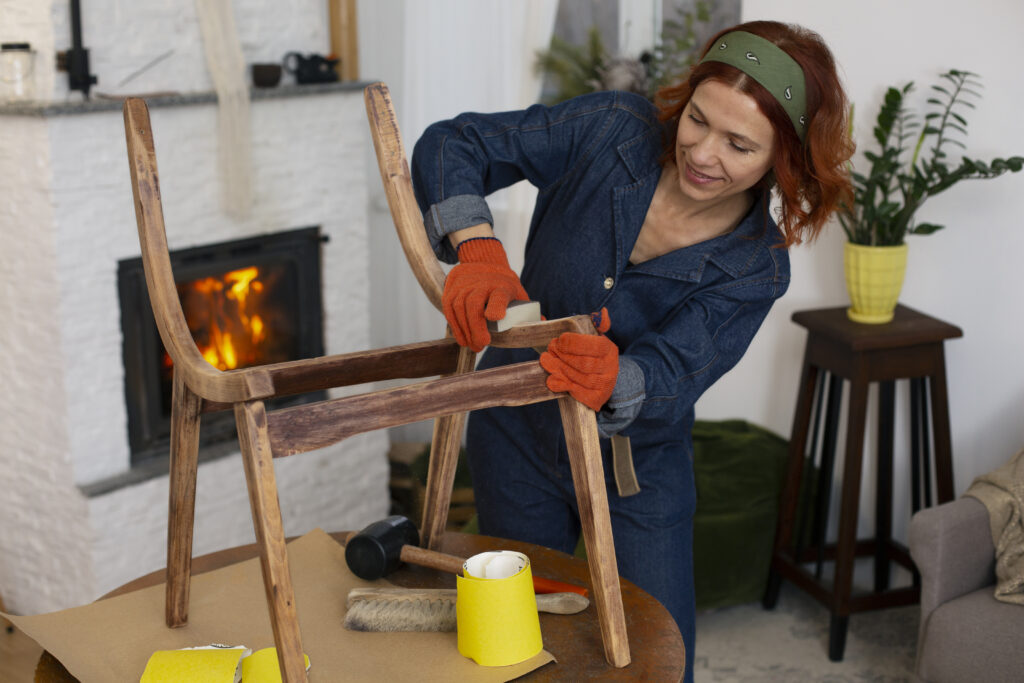
Breathe New Life into Old Furniture: The DIY Painted Furniture Guide

Breathe New Life into Old Furniture: The DIY Painted Furniture Guide

Breathe New Life into Old Furniture: The DIY Painted Furniture Guide

Image by alexeyzhilkin on Freepik

Hey there, DIY enthusiast!


Ever glanced at that old chair in the corner and thought, “It’s time for a change?” Before you even think of parting ways with it, why not give it a fresh coat of paint? It’s not just about saving money; it’s about the thrill of creating something beautiful with your own hands. And guess what? You’re not alone in this DIY journey. Statista tells us that Americans spent a whopping 457 billion dollars on home improvements in 2020. That’s a lot of revamped furniture!

Here’s What You’ll Need:

  • Sandpaper (a couple of different types)
  • Primer (your paint’s best friend)
  • Your choice of paint (latex or chalk paint are my faves)
  • Some good quality paintbrushes or foam rollers
  • A protective finish (like wax or polyurethane)
  • Painter’s tape (for those intricate designs)
  • Drop cloths (because mess happens)

Let’s Get Painting

1. Prep Time: The Foundation of Your DIY Project

Cleaning is Key: Before you even think about painting, it’s crucial to ensure your furniture is squeaky clean. Over time, furniture accumulates layers of dust, grime, and sometimes even sticky residues from spills.

  • Materials: A mild detergent, warm water, a soft cloth, and some elbow grease.
  • Method: Mix a few drops of detergent in warm water. Dip the cloth into the solution, wring out excess water, and wipe down the furniture. For stubborn spots, a gentle scrubbing might be necessary. Once done, wipe down with a clean, damp cloth to remove any soap residue and let it dry completely.

The Art of Sanding: Sanding might seem tedious, but it’s the secret sauce to a flawless paint job. It not only provides a smooth surface but also creates tiny grooves for the paint to adhere better.

  • Materials: Sandpaper in various grits (start with a coarser grit like 80 and move to a finer one like 220), a sanding block or electric sander for larger pieces, and safety gear (dust mask and goggles).
  • Method: Start sanding in the direction of the wood grain. This reduces the chances of scratches that can show up post-painting. Begin with the coarser grit to remove old paint or varnish and smooth out imperfections. Gradually move to finer grits for a silky smooth finish. Once done, wipe away the dust with a tack cloth or a damp rag.

Why Bother?: You might wonder if all this prep work is worth the effort. The answer is a resounding yes! Proper preparation ensures:

  • Better Paint Adhesion: Paint sticks better to a surface that’s been sanded.
  • Longer Lasting Results: With proper cleaning and sanding, your paint job will stand the test of time.
  • Smoother Finish: Nobody likes a bumpy, uneven paint job. Sanding ensures you get that professional, smooth finish.

Remember, the foundation of any great DIY project lies in its preparation. So, while it might be tempting to dive straight into painting, taking the time to prep will ensure your efforts shine through in the final result.


2. Prime Time: The Unsung Hero of Your Paint Job

  • Priming is often the overlooked step in the DIY painting process, but it’s the bridge between your furniture’s surface and the paint. Think of primer as the middleman that ensures both parties communicate well.

Why is Primer So Important?

  • Adhesion: Primer provides a surface that paint can easily adhere to. Without it, paint might peel, chip, or flake off over time.
  • Uniformity: Ever noticed how some paints can look blotchy or uneven on raw wood or over old paint colors? Primer ensures a consistent base, leading to a more uniform paint color.
  • Durability: A primed surface can significantly extend the life of your paint job, ensuring it looks fresh and vibrant for years.
  • Choosing the Right Primer:
    There are various primers available, each designed for different materials and purposes. For most furniture projects, a water-based primer works wonders. However, if you’re working with a piece that has stains or if you’re transitioning from a dark to a light color, an oil-based primer might be your best bet.

Application Tips

  • Ensure your furniture is clean and sanded.
  • Using a brush or roller, apply a thin, even coat of primer.
  • Allow it to dry completely (typically a few hours, but always check the product’s instructions).
  • Once dry, give it a light sanding with fine-grit sandpaper to ensure a smooth surface for painting.
  • In essence, while it might seem like an extra step, priming is the secret ingredient to a professional-looking, long-lasting paint job. So, when it’s prime time, give it the attention it deserves!

3. Show your true colors: The Joy of Painting

  • Embrace Creativity: Painting is as much about expression as it is about color.
  • Avoid Rushing: Hasty painting can lead to streaks, drips, or uneven coverage.
  • First Coat is Fundamental: Ensure it’s applied evenly and without excess.
  • Patience Pays Off: Allow the first coat to dry thoroughly. This can vary from a few hours to overnight.
  • Check Environmental Conditions: Humidity and temperature can affect drying time.
  • Second Coat Success: Once the first coat is dry, the second coat will adhere better and give a richer hue.

Remember: Good things come to those who wait. Your furniture deserves the best finish.

Oops! Watch Out for These:

  • Forgetting to Sand: It’s like trying to stick a post-it note on a dusty shelf.
  • Not Cleaning Properly: Paint and grime? Not a good mix.
  • Going Cheap on Brushes: Streaks and stray bristles can ruin your day.

Wrapping Up: With a dash of creativity and a sprinkle of effort, you can turn drab furniture into fab centerpieces. It’s eco-friendly, wallet-friendly, and oh-so-satisfying.

Got Questions? I’ve Got Answers:

  1. Which paint should I pick?
    • I love latex and chalk paint. Both are fab for furniture.
  2. How long between coats?
    • A day (24 hours) is a safe bet.
  3. Varnished wood. Can I paint it?
    • Absolutely! Just sand and prime first.
  4. How do I care for my masterpiece?
    • Gentle cleaning with a soft cloth works wonders.

Stay in the Loop:
Fancy more DIY tips and tricks? Subscribe to our newsletter. Let’s keep the creativity flowing!

Breathe New Life into Old Furniture: The DIY Painted Furniture Guide Read More »

Sustainable Childrens Wear: A Guide for Eco-Conscious Parents

Eco-Friendly Kids’ Fashion: The Ultimate Guide for Green-Minded Parents

Eco friendly Children's Wear: A Guide for Eco-Conscious Parents

Image by alexeyzhilkin on Freepik

Introduction to Eco-friendly Children’s Wear

Sustainability in children’s wear is more than just a trend; it’s a necessity. As the fashion industry grapples with its environmental impact, the focus on children’s clothing becomes even more critical. Children outgrow clothes at a rapid pace, leading to increased consumption and waste. Eco friendly children’s wear addresses these concerns by prioritizing eco-friendly materials and practices.

The Environmental Impact of Children’s Clothing

The fast fashion cycle has severe repercussions on our environment. Children’s clothing, in particular, contributes significantly to this problem. Kids outgrow their clothes quickly, leading to increased production and, consequently, more waste. Synthetic materials, which are non-biodegradable, further exacerbate the issue.

Benefits of Sustainable Children’s Wear

Durability: Sustainable clothes are designed to last, ensuring that they can be passed down or reused. Health: Sustainable children’s wear avoids harmful chemicals, reducing the risk of skin irritations. Environmental: Choosing sustainable options means a reduced carbon footprint and less waste.

Popular Eco friendly Materials for Children’s Wear

Organic Cotton: Unlike traditional cotton, organic cotton is grown without harmful pesticides and requires less water.

Bamboo: This fast-growing plant is a renewable resource, making it an eco-friendly material choice.

Recycled Materials: Brands are now innovating by using post-consumer products to craft new garments.

Hemp: A sustainable crop that grows quickly without the need for pesticides or herbicides. Hemp fabric is durable, breathable, and naturally resistant to mold and UV light.

Tencel (Lyocell): Derived from tree pulp, Tencel is produced using a closed-loop process, recycling almost all solvents. The fabric is soft, breathable, and biodegradable, with moisture-wicking properties ideal for active children.

Wool: A renewable and biodegradable material, wool can be produced organically. It’s naturally fire-resistant and has excellent temperature-regulating properties, ensuring comfort in varying climates.

Modal: Made from beech tree pulp, modal is soft and flexible. It’s 50% more absorbent than cotton, perfect for activewear. Its production uses a closed-loop system, recycling solvents.

Spotlight  Brands in Sustainable Children’s Wear

While mainstream brands have begun to embrace sustainable children’s wear, a wave of dedicated smaller brands has been leading the charge, setting new standards in eco-friendliness, organic materials, and ethical production. These brands, free from the shadow of past controversies, are carving a niche with their unwavering commitment to sustainability. Let’s explore some of these pioneering brands

  1. Hanna Andersson: A pioneer in sustainable kids’ clothes, Hanna Andersson has been at the forefront for over 35 years. They’re known for designing soft, durable clothes for kids to dance, play, sleep, and live in. Their matching family pajama sets are also a hit.
  2. Pact: Offering affordable, organic clothing for children and babies, Pact stands out with its cotton basics. They also have a fit guarantee, ensuring that sudden growth spurts won’t be a problem. Plus, they accept used clothing for donation, promoting a circular economy.
  3. Tentree: With an environmental pledge that plants ten trees for every purchase, Tentree is more than just a clothing brand. They aim to plant 1 billion trees by 2030. Their kids’ range includes clothes made from recycled polyester or organic cotton.
  4. Mini Mate: A sub-brand from MATE, Mini Mate focuses on simple, comfortable basics for kids. Their organic cotton t-shirts, joggers, and sweatshirts offer a cool unisex style. All orders are shipped in recycled materials.
  5. Primary: This brand is all about color and gender-neutral clothing. You can shop by color and even get matching sets for the whole family. Their focus is on ethical manufacturing, sustainable materials, and compostable packaging.

Tips for Parents: Building a Sustainable Wardrobe for Kids

  1. Quality Over Quantity: Invest in durable pieces that last longer.
  2. Timeless Over Trendy: Choose classic designs that won’t go out of style quickly.
  3. Care: Proper washing, storing, and mending can extend the life of clothes.
  4. Second-Hand Shopping: Embrace thrift stores and clothing swaps.

The Role of Education: Teaching Kids About Sustainability

Educating children about the importance of sustainability ensures a more eco-conscious future generation. Lessons about responsible consumption and the value of belongings can shape their perspectives early on.

Future Trends in Sustainable Children’s Wear

The future looks promising with innovations in materials and manufacturing. The rise of rental models for kids’ clothing and collaborations between sustainable brands and mainstream retailers are trends to watch.

FAQs:

  1. Why is sustainable children’s wear important?
    • Sustainable children’s wear addresses the environmental concerns arising from the fast fashion cycle, especially given how quickly children outgrow their clothes.
  2. What are the benefits of sustainable children’s wear?
    • Benefits include durability, health safety due to the absence of harmful chemicals, and a reduced environmental impact.
  3. Which brands are leading in sustainable children’s wear?
    • Brands like H&M, Levi Strauss & Co, and Nike are at the forefront of sustainable children’s wear.
  4. How can parents build a sustainable wardrobe for their kids?
    • Parents can focus on buying quality over quantity, choosing timeless designs, caring for clothes properly, and embracing second-hand shopping.

Call to Action: Interested in more insights on sustainable fashion? Subscribe to our newsletter for the latest updates! Learn Top Leisure Apps to Relax & Recharge After a Busy Day READ MORE  

Eco-Friendly Kids’ Fashion: The Ultimate Guide for Green-Minded Parents Read More »

Eco-Fashion Meets Women's Hygiene: Saathi's Green Revolution

Eco-Fashion Meets Women’s Hygiene: Saathi’s Green Revolution

Eco-Fashion Meets Women's Hygiene: Saathi's Green Revolution

Eco-Fashion Meets Women’s Hygiene: Saathi’s Green Revolution

In today’s rapidly evolving fashion and wellness landscape, Saathi emerges as a beacon of innovation, leading the charge in redefining women’s hygiene. The traditional hygiene products, laden with plastics and non-biodegradable materials, have long cast a shadow of environmental concern. These products, often discarded without a second thought, contribute to a staggering amount of pollution, choking our planet’s ecosystems.

Saathi, recognizing the gravity of this issue, has stepped up, offering not just a product, but a sustainable vision for the future. Their commitment to eco-friendly solutions addresses the pressing environmental challenges posed by conventional women’s hygiene products. With landfills brimming and marine life threatened by these non-degradable items, the call for change has never echoed louder.

Harnessing sustainable materials and championing green practices, Saathi stands at the forefront of this transformative journey. Their approach not only promises a reduced carbon footprint but also paves the way for a future where beauty, health, and sustainability coexist harmoniously.

The Environmental Cost of Women’s Hygiene Products

The environmental cost of women’s hygiene products is staggering. Annually, billions of these items, from tampons to pads, find their way into our oceans and landfills. Made predominantly from non-biodegradable materials, they linger for centuries, refusing to decompose. This immense waste not only swells our landfills but also wreaks havoc on marine ecosystems. Fish and other marine life often mistake these products for food, leading to ingestion and potential harm. Moreover, as these products break down, albeit slowly, they impact soil quality, releasing chemicals that can disrupt the natural balance of our ecosystems. As consumers, recognizing the environmental footprint of our choices is crucial. Opting for sustainable alternatives can pave the way for a greener planet. The time to act is now; our environment depends on it.

Saathi’s Holistic Approach

In the vast landscape of eco-conscious brands, Saathi emerges as a trailblazer. This innovative eco-fashion company has seamlessly blended sustainability with women’s health, offering a fresh perspective on hygiene products.

At the heart of Saathi’s mission is the humble banana tree. Often overlooked, this abundant resource has proven to be a game-changer in the realm of sustainable women’s hygiene. By transforming fibers from discarded banana trees into biodegradable sanitary products, Saathi has crafted a solution that addresses both environmental concerns and women’s health needs.

But Saathi’s commitment doesn’t stop at product creation. Their holistic approach extends to the entire lifecycle of their products. From sourcing sustainable materials to ensuring a zero-waste production process, every step is taken with the environment in mind. Moreover, by tapping into a resource as abundant as banana trees, Saathi ensures that their products are not only eco-friendly but also scalable, paving the way for a broader impact.

Furthermore, Saathi’s initiative provides a dual benefit. While the environment gets a reprieve from the onslaught of non-biodegradable waste, women receive a product that’s free from harmful chemicals, ensuring their well-being.

In conclusion, Saathi’s visionary approach showcases the potential of sustainable innovation. By turning to nature and harnessing its bounty, they’ve set a precedent for other brands, proving that with a bit of ingenuity, it’s possible to cater to human needs without compromising the planet’s health.

Why Banana Trees?

The Untapped Potential of Banana Trees in Eco-Friendly Hygiene

Banana trees, a staple in tropical landscapes, have a life cycle that’s often misunderstood. After bearing fruit, these trees are usually deemed redundant and discarded. However, Saathi, with its innovative vision, saw an opportunity where others saw waste. By repurposing the fibers from these discarded banana trees, Saathi has crafted a line of biodegradable sanitary products that stand out in the eco-conscious market.

Why choose banana trees? The answer lies in sustainability and health. These trees, once they’ve fulfilled their primary fruit-bearing purpose, become an abundant, renewable resource. Instead of letting them go to waste, Saathi’s approach maximizes their utility, contributing to a circular economy.

Moreover, by turning to nature, Saathi ensures that their products remain free from harmful chemicals, offering women a natural, skin-friendly alternative. In a world increasingly concerned with environmental impact and health, Saathi’s banana-fiber sanitary products resonate as a sustainable, safe choice. By spotlighting the untapped potential of banana trees, Saathi not only champions eco-friendly practices but also prioritizes women’s well-being.

.

The Bigger Picture

Saathi’s mission goes beyond just products. They aim to change the narrative around menstrual hygiene, promoting sustainability, health, and empowerment. For Americans keen on health, well-being, and beauty, Saathi represents a merger of all these values. As consumers, our choices have power. By supporting companies like Saathi, we can drive the change we wish to see in the world. Interested in joining the green revolution?

FAQs:

What makes Saathi’s products eco-friendly?

Saathi uses banana trees to create biodegradable women’s hygiene products.

How do Saathi’s products compare to traditional sanitary products?

Saathi’s products are 100% natural, chemical-free, and decompose within six months.

Why are banana trees used in Saathi’s products?

Banana trees, post fruit-bearing, are usually discarded. Saathi repurposes them, reducing waste and providing a sustainable solution.

Newsletter

Subscribe to our newsletter for updates, offers, and insights into the world of eco-fashion and sustainable living.

Eco-Fashion Meets Women’s Hygiene: Saathi’s Green Revolution Read More »

Scroll to Top